Eric Nakagawa
I’m Eric Nakagawa, a startup founder, coder, mentor, and father of three. I’m a part-time cyclist, perpetually novice powerlifter, and former member of the 1,000-pound club. I’m from Honolulu, Hawaii, on the island of Oahu, and live in San Francisco. I love Hawaii, Los Angeles, and Tokyo.

I taught myself to code through open source software and dabbled in graphic design. Since then, I’ve built everything from enterprise software to consumer apps, with stops in healthcare, travel, and blockchain. I like making things that help people, that they love using, or that improve their lives meaningfully. A laugh in a turbulent world counts, too.
I Can Has Cheezburger? started as something I built for fun on my lunch break. Along with I Has a Hotdog, it introduced me to the sheer scale of the internet and the joy of a community making something its own. There were words on pictures, irreverent jokes, and people who found it all hilarious—or didn’t get it at all. I became a New York Times bestselling co-author, with our book spending 16 weeks on the list, and made friends I still keep in touch with today. It felt like a joke I didn’t understand initially, then suddenly got. I still haven’t stopped laughing.
That playful side also found its way into cryptocurrency. I bought a pizza in Hawaii with 10,000 Dogecoin. Different coin, different pizza story. I also led doge4water, bringing the Dogecoin community together with charity:water to raise 40 million DOGE for clean water in Tana, Kenya. I’m proud of what that community came together to do.
Some of my favorite projects have helped people find their way to each other. With Melanie Kosaka, I built What Chefs Eat around a question I loved: where does your favorite chef go to eat? We worked with some of Hawaii’s best chefs and got a peek at their own favorite places. With mychamberapp.com, I helped build a mobile directory connecting people with businesses in their communities, including chambers of commerce and communities formed around culture, identity, faith, and stage of life. The company continues today under a different name, still helping businesses find the right customers.
At simplehoney, Joyce and I wanted to help people find the right places to stay, eat, and play, whether they were backpacking through East Asia or doing absolutely nothing at a resort beside a lagoon on Hawaii’s Big Island. We learned a lot about travelers, including how infrequently even frequent travelers actually travel. We eventually shifted to a wishlist app. Our team wanted every new gadget and gizmo, but we realized those lists were also valuable to the people who loved us.
The app reached several hundred thousand downloads, and usage and revenue were growing. But our passions weren’t really aligned with buying more stuff. We thought we could do more collective good by joining Ripple and working on the financial systems underneath those purchases. Ripple acquired simplehoney, and I joined to lead product. Our ambition was to help a billion people, and developers were how we hoped to get there. Through examples, documentation, giveaways, and other programs, we helped people explore what they could build.
Open source had given me my own start, so helping other developers has always felt personal. I fell in love with Parse while building nainai.co for my kids. Having a whole backend at my fingertips felt like a dream: one person with a code editor and an idea could build so much. I loved the platform enough to join the team. When Parse was sunset, I helped projects large and small move onto their own infrastructure. I’m proud of the care we put into that transition. Shout-out to James, Kevin, Ilya, Hector, Nancy, Andrew, GK3, Ittai, Nikita, Foscoe, and so many others who made that experience what it was.
At Facebook, I helped lead the open source program and was the lead developer advocate for PyTorch. The team was incredibly thoughtful and kind, as well as some of the smartest and most capable people I’ve worked with. I admired their commitment to researchers and academics and the care they brought to their craft. When I look at today’s advances in AI, I think about that work and the foundations the team helped lay.
At Novi/Diem, I led open source strategy and developer community efforts from the Facebook side. The mission was to give two billion people a digital wallet. The scale was staggering, and I worked alongside incredibly smart people focused on making it possible. Many former teammates went on to create blockchain projects of their own, continuing the dream of building systems that could serve eight billion people.
Celo’s human-focused mission drew me to the Foundation, where I joined to expand its global developer reach and eventually became Executive Director. I met tens of thousands of blockchain developers during my time there. Across my developer work, I’ve traveled to dozens of countries, eaten in countless cities, and helped more than 100,000 developers through meetups, streams, and conferences. So much of the fun was telling stories and hearing what people wanted to make.
I left Celo to co-found Self, working on ways to protect people’s identities in a world where agents and bots are becoming harder to distinguish from humans. We explored how zero-knowledge proofs and biometric verification could help people establish trust while safeguarding their personal information. I continue to advise the team and am always impressed by its improvements and releases, especially its work on safeguarding payment data.
These days, I’m building fun web and mobile products again, advising startups, cultivating user communities, and helping charities learn about cryptocurrency. I’m also thinking hard about our role in this brand-new world.
About this site
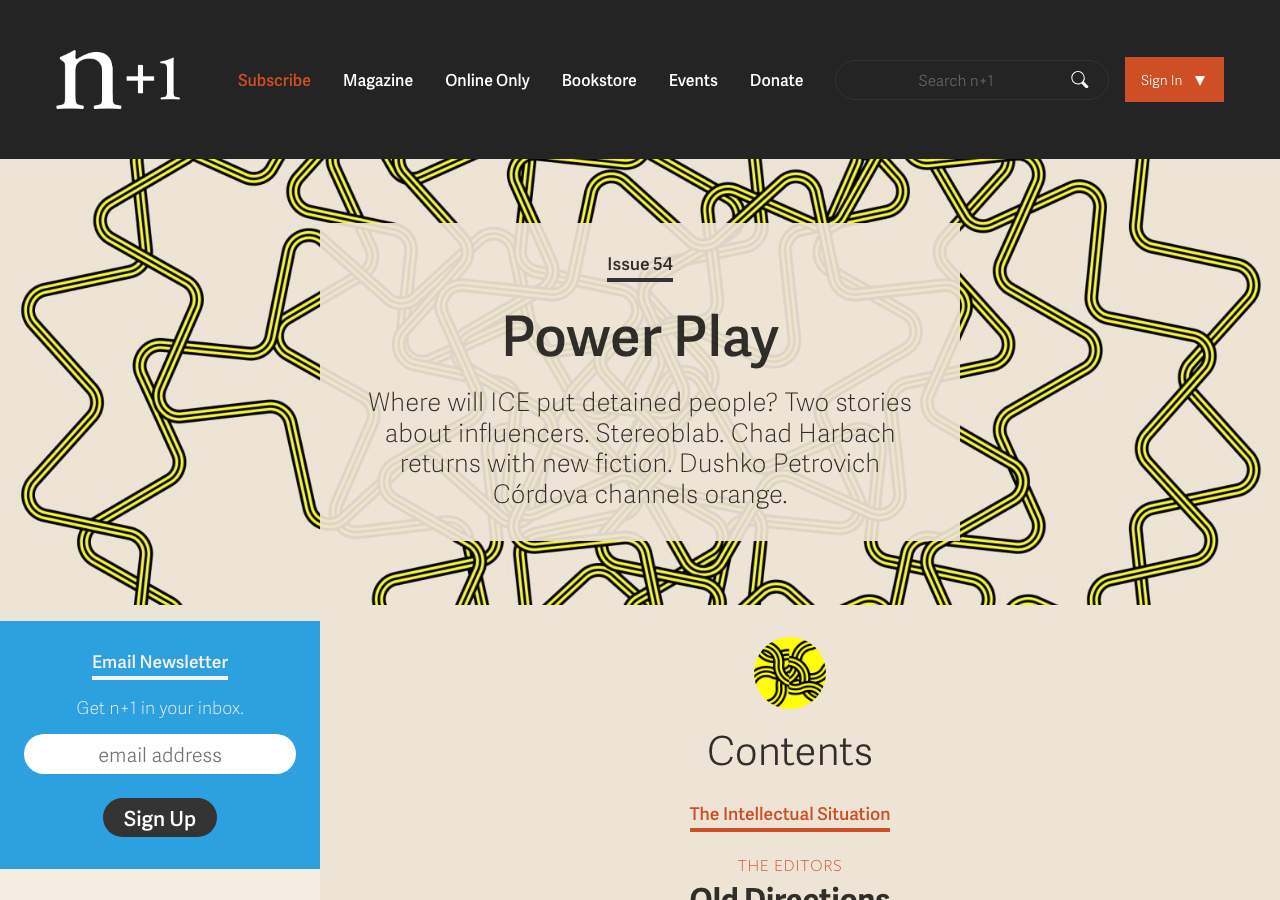
This site uses Next.js. The theme is heavily inspired by n+1 magazine, especially Issue 54, Fall 2026.
Original family illustration by meghan murphy (kawaii-not). The updated portrait was adapted with AI assistance.